Introduction to Commercial Garage Doors
For businesses in Danbury, CT, commercial garage doors are more than just entryways; they are essential components of daily operations. Whether you're in retail, manufacturing, or logistics, understanding the basic concepts of commercial garage doors can help you make informed decisions about installation, maintenance, and upgrades.
Key Components of Commercial Garage Doors
1. The Door Panel
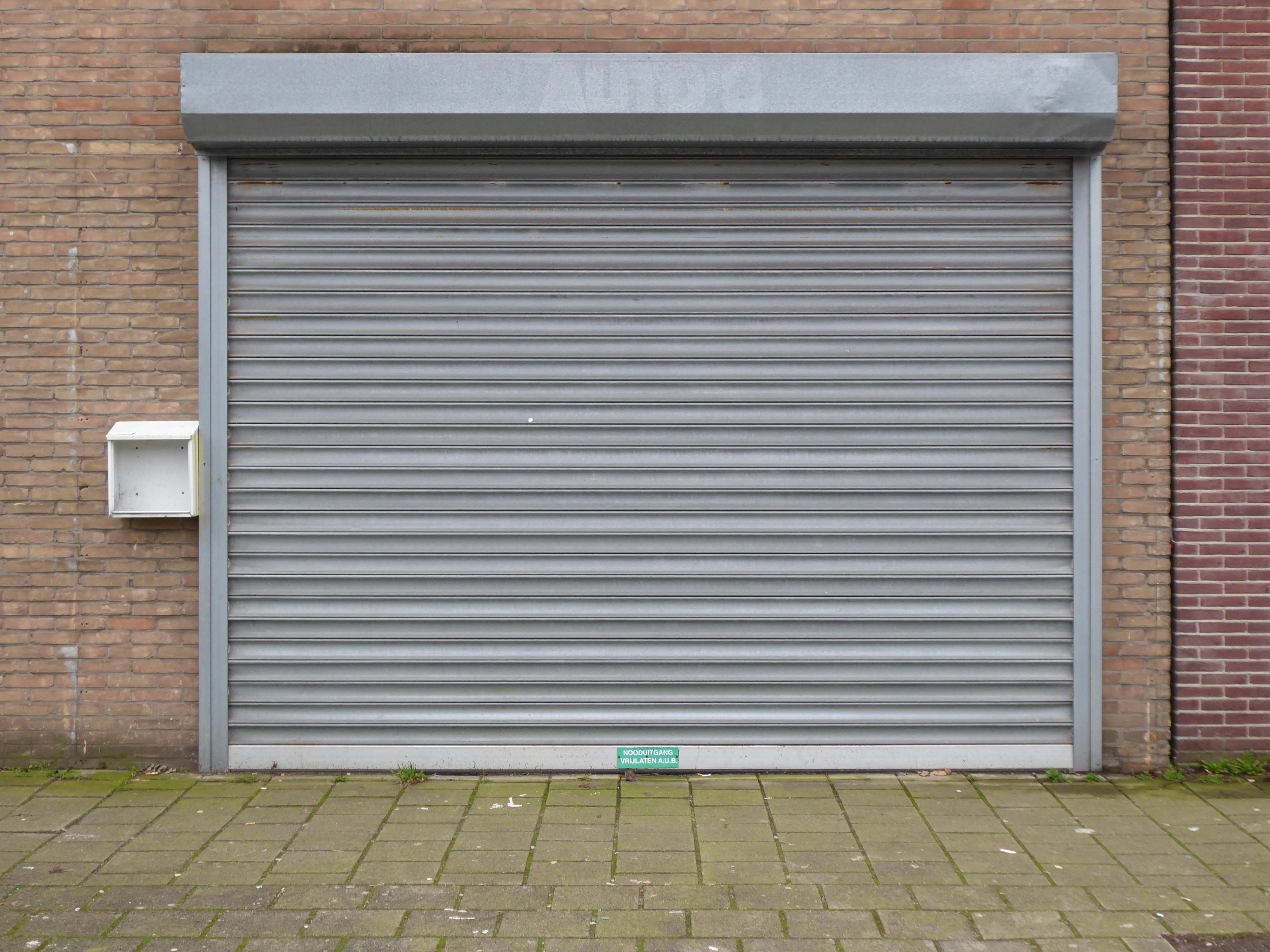
The door panel is the most visible part of your garage door. Typically made of durable materials like steel, aluminum, or fiberglass, these panels are built to withstand harsh weather conditions and frequent use. Understanding the material and insulation options can help you choose a door that balances security and energy efficiency.
2. The Track System
The track system guides the door as it opens and closes. It's essential for smooth operation and can vary in design depending on your space's requirements. A well-maintained track system ensures the door operates quietly and efficiently, minimizing disruptions in a busy commercial setting.
3. The Spring Mechanism
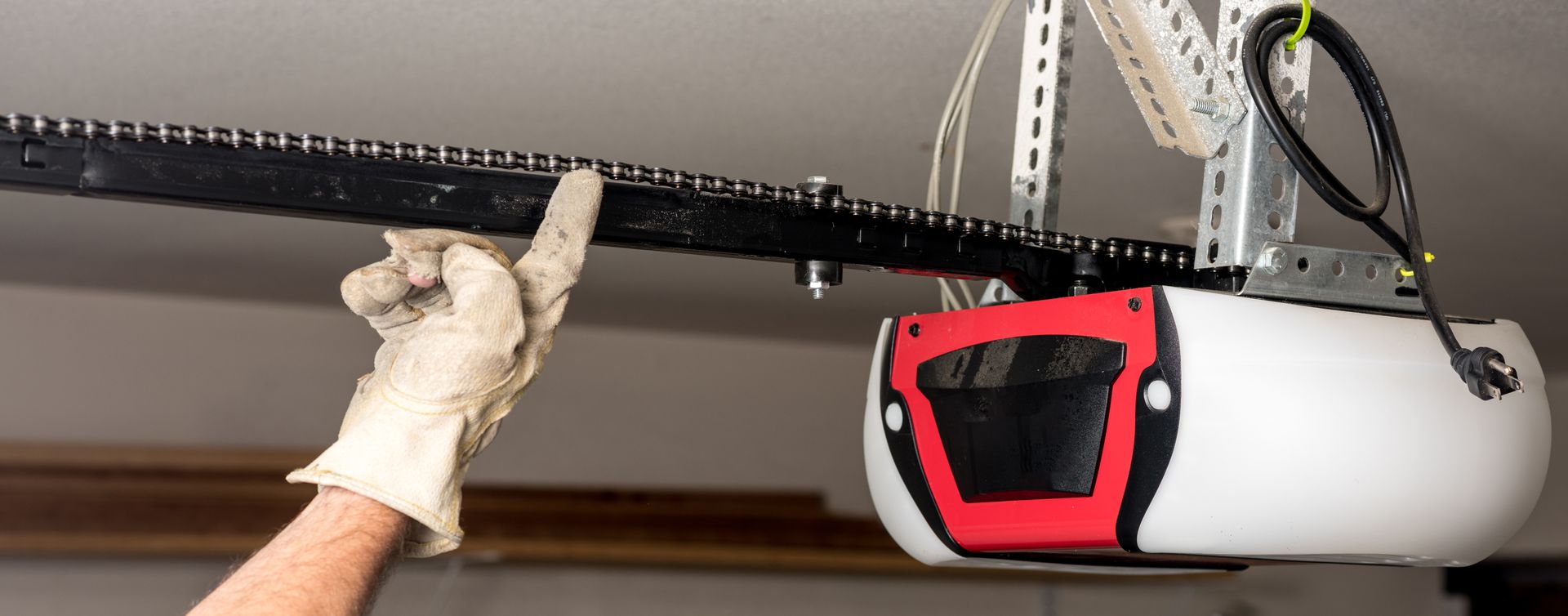
Springs are crucial for counterbalancing the weight of the door, making it easier to open and close. There are two main types: torsion springs and extension springs. Torsion springs are mounted horizontally above the opening, providing greater control and durability, while extension springs are mounted on the sides and are more cost-effective.
Why Regular Maintenance is Crucial
Regular maintenance is vital to extending the lifespan of your commercial garage door and preventing costly repairs. It involves checking and adjusting the springs, lubricating moving parts, and ensuring the door is balanced. A scheduled maintenance plan can prevent unexpected breakdowns, keeping your business operations running smoothly.
Choosing the Right Garage Door for Your Business
When selecting a garage door, consider factors like security, insulation, and aesthetics. Security features may include reinforced locks and advanced access control systems. Insulated doors help maintain energy efficiency, crucial for businesses that store temperature-sensitive products.
Common Issues and Solutions
1. Door Doesn't Open or Close Properly
This is often due to a misaligned track, broken springs, or a malfunctioning opener. Regular inspections can identify these issues early. For alignment issues, check if the track is bent or obstructed; for springs, look for signs of wear and tear.
2. Noisy Operation
Noise can indicate a problem with the rollers or the track. Lubricating the moving parts can help, but persistent noise might require professional attention to replace worn-out components.
Professional Installation and Repair Services in Danbury, CT
Choosing a professional service for installation and repairs ensures your garage door operates safely and efficiently. RidgeLine Overhead Garage Door of Connecticut offers expert services tailored to the unique needs of Danbury businesses, ensuring compliance with local regulations and standards.
Conclusion: Simplifying Your Commercial Garage Door Decisions
Understanding the basic components and maintenance requirements of commercial garage doors can empower you to make better decisions for your business. Whether you're considering a new installation or looking to maintain your current system, staying informed is key to optimizing the performance and longevity of your garage doors. For personalized advice and services, contact RidgeLine Overhead Garage Door of Connecticut today.