Introduction to Commercial Garage Door Options
Choosing the right commercial garage door is crucial for businesses in Danbury, CT, as it impacts security, efficiency, and aesthetics. With advancements in technology and materials, 2026 offers a wide range of options tailored to meet diverse business needs. This guide helps you compare different commercial garage door types and features to make an informed decision.
Understanding Your Business Needs
Before diving into specific garage door options, it’s essential to assess the unique requirements of your business. Consider factors such as:
- Security: How critical is the security of your goods or equipment?
- Frequency of Use: How often will the door be operated daily?
- Space Availability: Is there ample space for door operation?
- Insulation Needs: Do you require temperature control for your facility?
- Aesthetic Preferences: Does the door need to complement your building's design?
Types of Commercial Garage Doors
Understanding different types of commercial garage doors can help you choose the best option for your business:
Roll-Up Garage Doors
Roll-up doors are ideal for businesses with space constraints. They roll up into a coil, requiring minimal overhead space. Perfect for warehouses and storage facilities, they offer robust security and can be insulated for temperature control.
Sectional Garage Doors
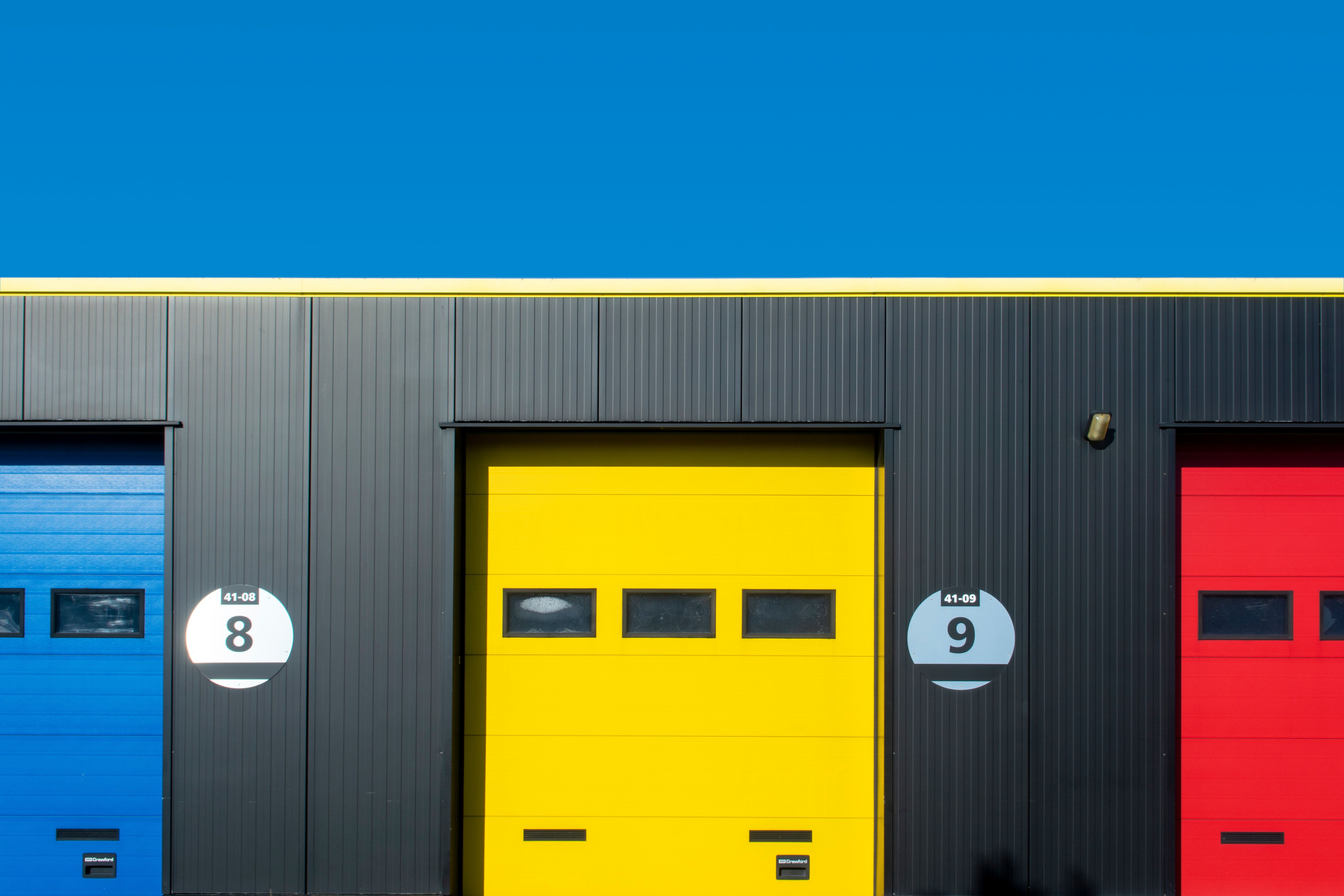
These doors are composed of panel sections connected with hinges. They are versatile and offer excellent insulation, making them suitable for businesses that require climate control. Sectional doors can be customized with windows and varying finishes to match your business’s aesthetic.
Sliding Garage Doors
Best for wide openings, sliding doors move horizontally along tracks. They are less common but provide an expansive entrance, suitable for facilities that need large access points, like airplane hangars or agricultural buildings.
Fire-Rated Garage Doors
Designed for safety, fire-rated doors are essential for facilities requiring high fire protection standards. They are engineered to resist fire and can be integrated with alarm systems for automatic closure in emergencies.
Material Considerations
The material of the garage door impacts its durability, maintenance, and appearance:
- Steel: Known for strength and durability, steel doors are low-maintenance and offer excellent security.
- Aluminum: Lightweight and resistant to rust, aluminum doors are ideal for coastal areas prone to humidity.
- Wood: Offers a classic look but requires regular maintenance to prevent warping and damage.
- Fiberglass: Combines the aesthetic of wood with low maintenance, though it may not be as strong as steel or aluminum.
Technological Features to Consider
In 2026, technology plays a pivotal role in enhancing the functionality and security of commercial garage doors:
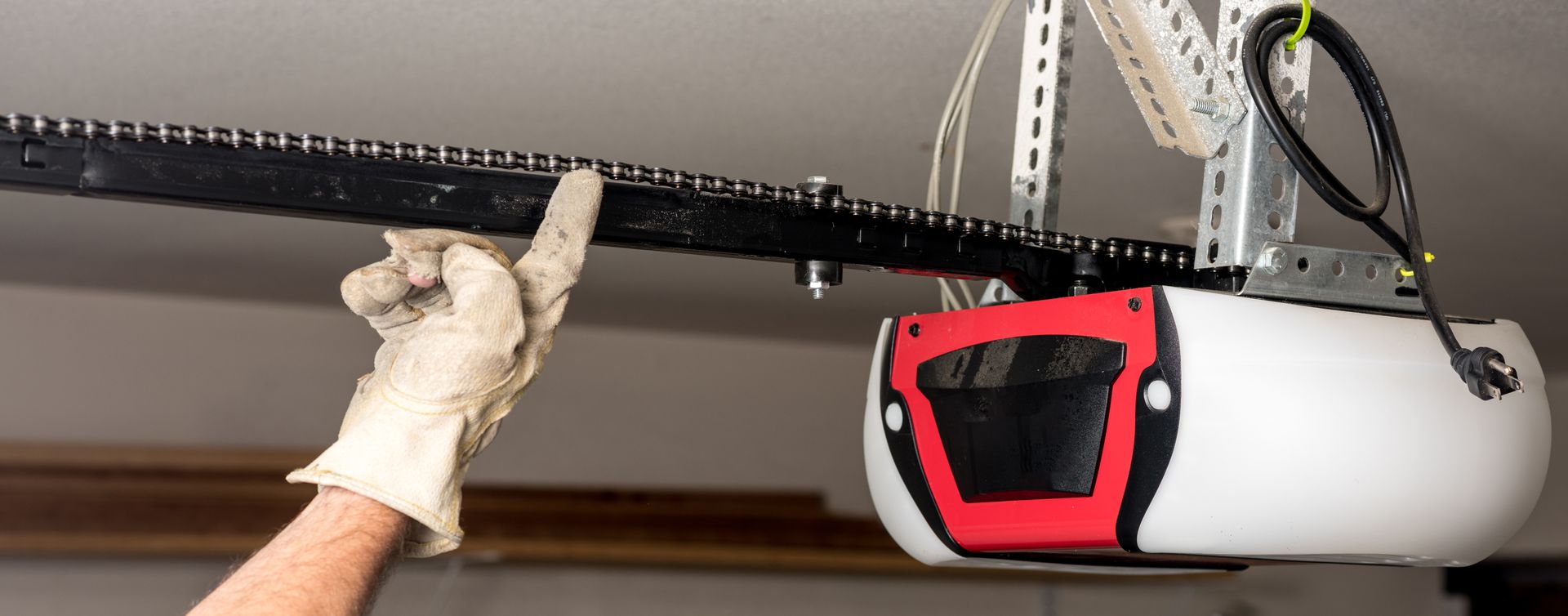
- Smart Access: Integrate with smartphone apps for remote monitoring and operation.
- Advanced Security Systems: Incorporate features like motion sensors and automatic locking.
- Energy Efficiency: Opt for doors with high R-value insulation to improve energy savings.
Cost Considerations
Budget is a critical factor in selecting a commercial garage door. While upfront costs are important, consider the long-term savings on energy and maintenance. Fire-rated and insulated doors may have higher initial costs but offer significant savings over time.
Making the Right Choice
When selecting a commercial garage door in Danbury, CT, balance your business's practical needs with budget constraints. Consult with professionals like RidgeLine Overhead Garage Door to ensure you choose a door that offers the best return on investment.
Conclusion
The right commercial garage door enhances your business's security, efficiency, and aesthetic appeal. By understanding the options available in 2026 and assessing your specific needs, you can make an informed choice that supports your business operations. Contact RidgeLine Overhead Garage Door of Connecticut for expert advice and installation services tailored to your needs.